Layer chicken feeding is crucial for consistent egg production; a layer chicken feeding guide PDF offers detailed nutritional plans. Understanding these guides ensures optimal hen health and egg quality.
Understanding Layer Chicken Nutritional Needs
A comprehensive layer chicken feeding guide PDF emphasizes that laying hens have distinct nutritional requirements differing from chicks or growing pullets. Optimal egg production demands a carefully balanced diet‚ prioritizing protein – at least 14%‚ with 16% being common – to support egg formation.
Furthermore‚ adequate calcium and phosphorus are vital for strong eggshell development‚ preventing thin or cracked shells. Vitamin D plays a critical role in calcium absorption‚ maximizing its utilization. These guides detail the precise vitamin and mineral balances needed for overall hen health and sustained laying performance‚ ensuring a productive flock.
Importance of a Balanced Diet for Egg Production
A layer chicken feeding guide PDF highlights that consistent egg production hinges on a balanced diet. Insufficient nutrients directly impact egg quantity‚ quality‚ and shell strength. Proper nutrition fuels the energy demands of laying‚ ensuring hens can consistently produce eggs without depleting their reserves.
Light management‚ as detailed in these guides‚ also influences egg production‚ but is significantly enhanced by optimal feed. A well-nourished hen exhibits improved feed efficiency‚ maximizing output from input. Ignoring nutritional needs leads to reduced laying rates‚ thin shells‚ and compromised hen health‚ ultimately impacting flock profitability.
Stages of Layer Chicken Feeding
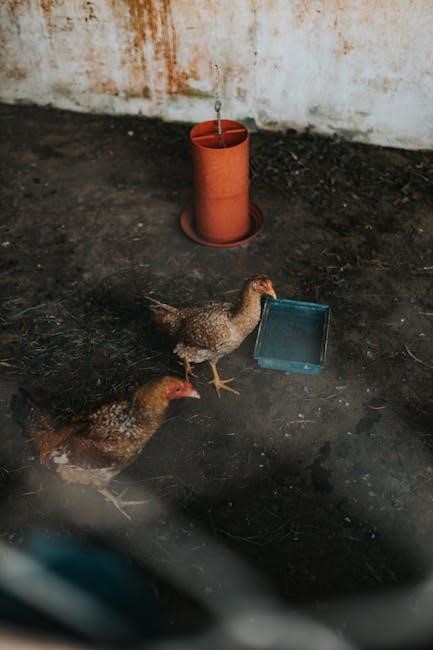
A layer chicken feeding guide PDF details distinct stages – starter‚ grower‚ developer‚ and layer – each requiring specific nutrient ratios for optimal growth and egg production.
Chick Starter Feed (0-6 Weeks)
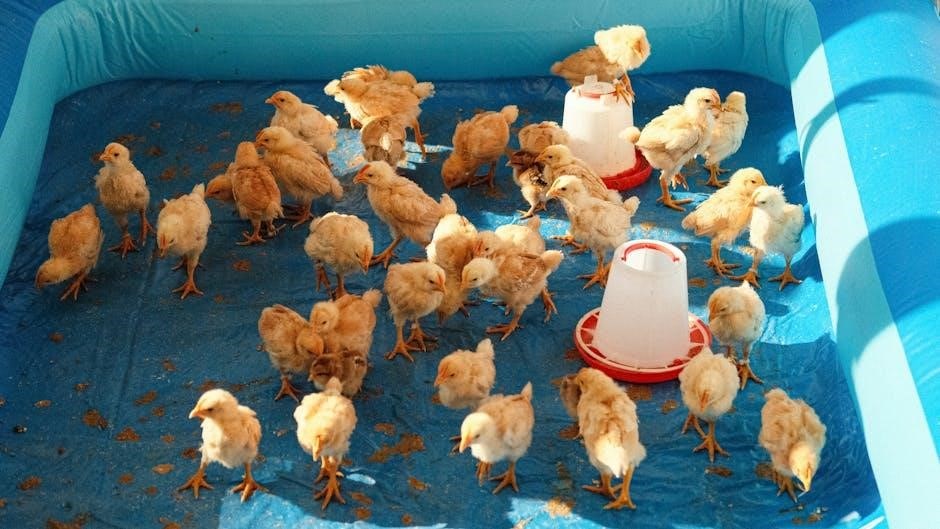
A comprehensive layer chicken feeding guide PDF emphasizes the critical importance of chick starter feed for the first six weeks of life. This feed‚ typically containing around 20-24% protein‚ supports rapid growth and development. It’s formulated with easily digestible ingredients to aid young chicks in building strong foundations.
The guide will detail the necessity of providing a finely ground texture‚ making it easier for chicks to consume. Furthermore‚ it highlights the inclusion of essential vitamins and minerals‚ crucial for bone development and immune system support. Consistent access to clean water alongside the starter feed is paramount‚ as outlined in most guides. Proper starter feed sets the stage for healthy layers.
Grower Feed (6-18 Weeks)
A detailed layer chicken feeding guide PDF will illustrate the transition to grower feed between 6 and 18 weeks. This phase focuses on supporting continued‚ but more moderate‚ growth while preparing the pullets for egg production. Grower feed typically contains 16-18% protein‚ a reduction from the starter feed‚ preventing overly rapid development.
The guide stresses the importance of controlled growth during this period to ensure proper skeletal and reproductive system development. It will also highlight the need to avoid excessive energy intake‚ which can lead to obesity. Maintaining a consistent feeding schedule and providing access to clean water‚ as detailed in the PDF‚ are vital for healthy pullets.
Pullet Developer Feed (18-20 Weeks)
A comprehensive layer chicken feeding guide PDF emphasizes the critical role of pullet developer feed from 18 to 20 weeks. This specialized feed‚ typically containing around 15-16% protein‚ bridges the gap between grower and layer feed‚ focusing on reproductive system maturation. The PDF will detail the importance of restricted energy intake to prevent excessive weight gain‚ which can negatively impact egg production later.
Furthermore‚ the guide highlights the need for adequate calcium and phosphorus levels‚ though not as high as in layer feed‚ to support bone development. Light management‚ as outlined in the PDF‚ is also crucial during this stage‚ gradually increasing daylight hours to stimulate the onset of laying.
Layer Feed (20+ Weeks)
A detailed layer chicken feeding guide PDF stresses the importance of switching to layer feed once hens reach 20+ weeks and begin laying. This feed‚ typically containing a minimum of 14% protein (often 16%)‚ is formulated to support consistent egg production and shell quality. The PDF will outline the necessity of high calcium and phosphorus levels – crucial for strong eggshells.
Moreover‚ the guide emphasizes the connection between light management and egg production‚ recommending longer daylight hours to maximize output. It also details how feed efficiency is improved with proper layer feed. The PDF will likely include charts detailing feed consumption based on breed and age.
Key Nutrients for Laying Hens
A layer chicken feeding guide PDF highlights protein (at least 14%)‚ calcium‚ phosphorus‚ and Vitamin D as vital nutrients for egg production and hen health.
Protein Requirements (Minimum 14%‚ Commonly 16%)
Layer chicken feeding guide PDFs consistently emphasize protein as a cornerstone of egg production. Hens require a minimum of 14% protein in their diet‚ though 16% is far more common and generally recommended for sustained laying performance. This vital nutrient supports egg white formation and overall hen health.
Insufficient protein directly impacts egg size and quantity. A quality layer feed‚ as detailed in these guides‚ will clearly state the protein percentage. Supplementation isn’t usually necessary with a properly formulated commercial feed‚ but understanding the importance of protein allows for informed adjustments if egg production declines. Maintaining adequate protein levels ensures robust egg laying capabilities.
Calcium and Phosphorus for Eggshell Quality
Layer chicken feeding guide PDFs highlight calcium and phosphorus as essential for strong eggshells. Calcium is the primary component‚ directly contributing to shell formation‚ while phosphorus plays a crucial supporting role in calcium absorption and utilization. Deficiencies in either nutrient lead to thin‚ easily cracked‚ or weak eggshells.
Guides often recommend supplemental calcium‚ like oyster shells‚ particularly when hens exhibit shell quality issues. Maintaining a proper calcium-to-phosphorus ratio is also vital – an imbalance hinders absorption. Commercial layer feeds are formulated to provide adequate levels‚ but monitoring eggshell quality and supplementing when needed‚ as detailed in these guides‚ is key for optimal results.
Vitamin D and its Role in Calcium Absorption
Layer chicken feeding guide PDFs emphasize Vitamin D’s critical role in calcium absorption. Without sufficient Vitamin D‚ hens cannot effectively utilize the calcium present in their diet‚ leading to compromised eggshell quality and potential skeletal issues. Vitamin D facilitates the intestinal absorption of both calcium and phosphorus‚ making it indispensable for laying hens.
Sunlight is a natural source of Vitamin D‚ but indoor-housed hens often require supplementation. These guides detail appropriate Vitamin D levels in feed and suggest supplementation strategies‚ especially during winter months or limited sunlight exposure. Proper Vitamin D levels‚ as outlined in these resources‚ are fundamental for maximizing calcium utilization and maintaining hen health.
Essential Vitamins and Minerals
Layer chicken feeding guide PDFs detail a comprehensive range of essential vitamins and minerals beyond calcium and Vitamin D. These include Vitamin A for vision and immune function‚ Vitamin E as an antioxidant‚ and B-vitamins for energy metabolism. Trace minerals like manganese‚ zinc‚ and copper are also vital for enzyme systems and overall health.
These guides specify the required levels of each nutrient‚ often expressed as parts per million (ppm). Deficiencies can lead to reduced egg production‚ poor egg quality‚ and increased susceptibility to disease. Following a layer chicken feeding guide PDF ensures hens receive a balanced nutrient profile‚ supporting optimal performance and well-being.
Feeding Management Practices
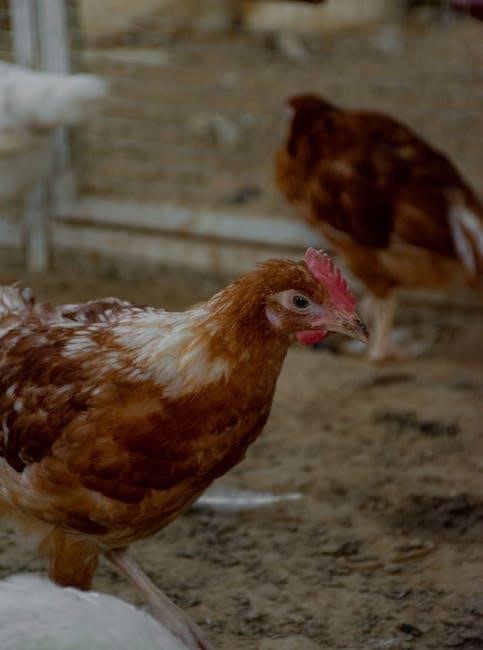
A layer chicken feeding guide PDF emphasizes consistent access to clean water and appropriate feed quantities‚ tailored by age and breed‚ for optimal health.
Water Supply: Clean and Fresh Water at All Times
Layer chicken feeding guide PDFs consistently highlight the paramount importance of providing a readily available supply of clean‚ fresh water. Water intake directly correlates with feed consumption and‚ consequently‚ egg production. Hens require significantly more water than feed‚ especially during warmer months or peak laying periods.
Regularly clean waterers to prevent algae and bacterial growth‚ ensuring optimal hygiene; Consider using nipple waterers to minimize contamination. Access to water is critical for overall health and maximizing feed efficiency‚ as detailed in comprehensive guides. Monitoring water intake can also indicate potential health issues within the flock.
Feed Quantity Based on Age and Breed
Layer chicken feeding guide PDFs emphasize that feed requirements vary considerably based on a hen’s age and breed. Younger pullets require different nutrient profiles and quantities than mature laying hens. Larger breeds generally consume more feed than smaller breeds. Charts within these guides detail recommended daily feed intake in grams per bird‚ often categorized by growth stage – from chick to 72 weeks of age.
Adjusting feed amounts is crucial to prevent obesity or malnutrition. Monitoring body condition and egg production helps fine-tune feeding strategies. Accurate measurement ensures hens receive adequate nutrition for optimal health and consistent egg laying.
Light Management and Egg Production
Layer chicken feeding guide PDFs consistently highlight the critical link between light exposure and egg production. Hens require a sufficient duration of light – typically 14-16 hours daily – to stimulate laying. Pullets need less daylight during rearing‚ while mature hens benefit from longer photoperiods to initiate and maintain egg laying.
Proper light management improves eggshell quality‚ egg size‚ and feed efficiency. Consistent lighting schedules are essential; abrupt changes can stress hens and reduce production. These guides often detail optimal lighting programs for different stages of a hen’s life cycle.
Supplemental Feeding
Layer chicken feeding guide PDFs recommend oyster shell for thin shells and limited healthy treats (under 10%). Scratch grains aid warmth during colder months.
Oyster Shell Supplementation for Thin Shells
Layer chicken feeding guide PDFs frequently address thin eggshells‚ a common concern for backyard poultry keepers. These guides highlight oyster shell supplementation as a practical remedy. Hens require substantial calcium to produce strong‚ durable eggshells‚ and a deficiency directly impacts shell quality. Offering free-choice oyster shell allows hens to self-regulate their calcium intake based on individual needs.
The guides emphasize that if eggs consistently exhibit thin or easily cracked shells‚ increasing oyster shell availability is a beneficial step. It’s crucial to provide a separate container‚ as hens won’t necessarily consume enough calcium if it’s pre-mixed within their complete feed. Consistent access to oyster shell supports optimal eggshell formation and overall hen health‚ as detailed in comprehensive feeding resources.
Healthy Treats (Maximum 10% of Diet)
Layer chicken feeding guide PDFs acknowledge the desire to supplement a hen’s diet with treats‚ but strongly emphasize moderation. Treats should comprise no more than 10% of their total daily intake to avoid nutritional imbalances. While enjoyable for chickens‚ excessive treats can dilute the essential nutrients provided by their formulated layer feed‚ impacting egg production and overall health.
Recommended treats include fruits‚ vegetables‚ and cooked grains‚ offered in appropriate sizes. Many guides‚ like those from Fresh Eggs Daily‚ suggest scratch grains are best reserved for evening feeding during colder months‚ providing extra energy. Maintaining a balanced diet‚ as outlined in these resources‚ is paramount for consistent egg laying and vibrant hen well-being.
Scratch Grains for Cold Weather
Layer chicken feeding guide PDFs often detail supplemental feeding strategies for colder climates‚ prominently featuring scratch grains. These grains‚ a mix of cracked corn‚ wheat‚ and barley‚ provide a readily available energy source to help hens maintain body temperature during frigid conditions. Offering scratch grains in the evening‚ as suggested by resources like Fresh Eggs Daily‚ allows for overnight warmth generation through digestion.
However‚ guides consistently caution against overfeeding scratch. It’s a treat‚ not a replacement for balanced layer feed. Excessive scratch can lead to obesity and reduced egg production. A layer chicken feeding guide PDF will emphasize moderation‚ ensuring hens receive essential nutrients alongside this winter energy boost.
Molting and Feeding Adjustments
Layer chicken feeding guide PDFs explain molting requires increased protein support for feather regrowth; adjust feed to meet these changing nutritional demands during this period.
Nutritional Support During Molting
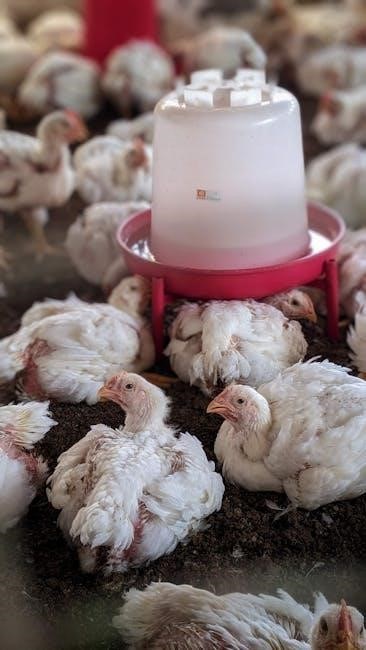
Layer chicken feeding guide PDFs emphasize that molting is a metabolically demanding process. Hens require increased protein intake – often around 18-20% – to support new feather growth. A balanced diet rich in essential amino acids is vital.
Supplementation with vitamins‚ particularly Vitamin D‚ aids calcium absorption‚ crucial even with reduced egg production. Consider adding methionine and lysine to the diet‚ as these are key amino acids for feather development.
Avoid drastic diet changes during molt‚ but focus on providing highly digestible‚ nutrient-dense feed. Maintaining adequate hydration is also paramount. These guides often detail specific supplement amounts based on flock size and breed.
Adjusting Feed Intake During Molt
Layer chicken feeding guide PDFs typically advise against drastically reducing feed during molting‚ despite decreased egg production. While hens may eat less naturally‚ restricting intake too severely can hinder feather regrowth and compromise their health.
Instead‚ focus on providing a consistent amount of high-quality feed‚ adjusting slightly based on individual hen body condition. Monitor weight and adjust accordingly; obese hens may need a minor reduction‚ while thinner hens require continued support.
Some guides suggest offering smaller‚ more frequent meals to encourage consumption. Avoid treats high in carbohydrates‚ and prioritize protein-rich options to fuel feather development.

Common Feeding Problems and Solutions
A layer chicken feeding guide PDF details issues like thin shells or reduced production‚ offering solutions such as oyster shell supplementation or dietary adjustments.
Thin Eggshells: Causes and Remedies
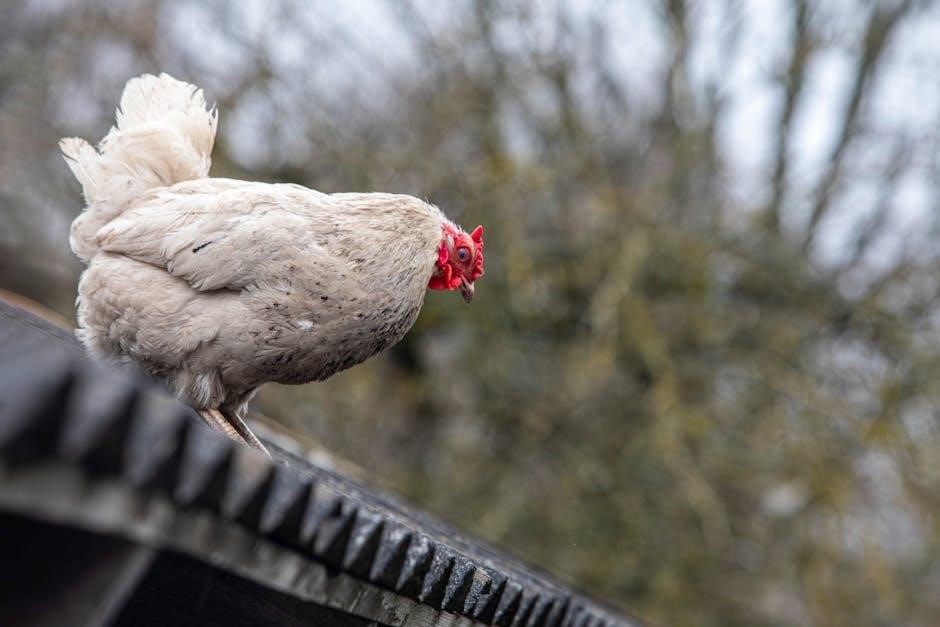
Thin eggshells are a common concern for layer chicken keepers‚ and a comprehensive layer chicken feeding guide PDF often addresses this issue directly. Primary causes include calcium deficiency‚ insufficient Vitamin D hindering calcium absorption‚ and phosphorus imbalances. The guide will recommend increasing calcium intake through oyster shell supplementation – offering it free-choice allows hens to self-regulate.
Additionally‚ ensuring adequate Vitamin D‚ often through sunlight exposure or supplementation‚ is vital. Dietary protein levels‚ at least 14% (commonly 16%)‚ also play a role in shell formation. A good guide will detail appropriate calcium-to-phosphorus ratios and suggest adjustments based on observed shell quality. Regularly reviewing the PDF can proactively prevent this problem.
Reduced Egg Production: Dietary Factors
A layer chicken feeding guide PDF is invaluable when addressing declines in egg output. Dietary factors are frequently the culprit; insufficient protein is a major contributor‚ with hens needing at least 14%‚ ideally 16%‚ for sustained production. Inadequate energy intake‚ often linked to insufficient feed quantity based on age and breed‚ also reduces lay rates.
Furthermore‚ deficiencies in essential vitamins and minerals can disrupt the laying cycle. The guide will emphasize the importance of a balanced diet and may suggest supplemental feeding during periods of stress‚ like molting. Light management‚ detailed within the PDF‚ is also crucial‚ as longer daylight hours stimulate egg production.
Obesity in Laying Hens: Controlling Feed Intake
A comprehensive layer chicken feeding guide PDF addresses the issue of obesity‚ a common problem impacting laying hens. Overfeeding‚ particularly with treats exceeding 10% of the diet‚ is a primary cause. The guide will detail appropriate feed quantities based on the hen’s age‚ breed‚ and stage of production‚ emphasizing the importance of accurate measurement.

Reducing scratch grain‚ especially during warmer months‚ is also recommended. The PDF will likely highlight the link between obesity and reduced egg production‚ stressing that maintaining a healthy weight optimizes laying performance. Consistent monitoring of body condition and adjusting feed intake accordingly are key strategies.
Resources and Further Information
Layer chicken feeding guide PDFs from Belfast Millers and Alabama Cooperative Extension provide valuable insights. Online resources and veterinary consultation further support optimal hen nutrition.
Accessing Layer Chicken Feeding Guides (PDF)
Finding reliable layer chicken feeding guides in PDF format is essential for successful poultry management. Several organizations offer comprehensive resources freely available online. Belfast Millers‚ a premium animal feed provider in Kenya‚ likely hosts downloadable guides tailored to their products and regional needs.
Additionally‚ the Alabama Cooperative Extension System provides valuable PDFs focused on backyard flock management‚ including detailed sections on laying hen nutrition. Searching online using keywords like “layer chicken feeding guide PDF” will yield numerous results‚ but prioritize sources from universities‚ agricultural extensions‚ or reputable feed companies. Always verify the information’s date to ensure it reflects current best practices in poultry science. These guides often detail specific feed formulations‚ supplementation strategies‚ and troubleshooting common feeding issues.
Online Resources for Poultry Nutrition
Numerous online platforms offer valuable insights into layer chicken nutrition‚ complementing PDF guides. Fresh Eggs Daily‚ featuring Lisa Steele‚ provides articles on optimal feeding‚ including treat recommendations (maximum 10% of the diet) and cold-weather supplementation like scratch grains. Poultry Affairs presents growth and weight charts alongside recommended daily feed intake in grams‚ aiding precise feeding plans.
Furthermore‚ exploring university extension websites – like Alabama’s – delivers research-backed information. Online forums and communities dedicated to backyard poultry keeping also offer practical advice and shared experiences. Remember to critically evaluate information and cross-reference with reputable sources to ensure accuracy and suitability for your flock’s specific needs.
Consulting with a Poultry Veterinarian
While a layer chicken feeding guide PDF provides a solid foundation‚ individual flock needs can vary significantly. A poultry veterinarian offers personalized advice‚ addressing specific health concerns or production challenges. They can assess your flock’s condition‚ diagnose nutritional deficiencies‚ and recommend tailored feeding strategies.
Veterinarians are invaluable when dealing with issues like thin eggshells – potentially requiring oyster shell supplementation – or reduced egg production‚ which could stem from dietary imbalances. They can also advise on appropriate feed adjustments during molting and help prevent obesity through controlled intake. Proactive veterinary consultation ensures optimal flock health and sustained egg yield.