Bangladesh: Navigating Economic Transition & Digital Advancement (2026)
Bangladesh is currently navigating a crucial economic transition, requiring reforms to revitalize growth. Rapid development is fueled by technology, driving a significant digital transformation across the nation.
Today, February 27th, 2026, Bangladesh stands at a pivotal moment. Once celebrated as a rapidly expanding developing economy, the nation is currently undergoing a significant transition. This shift necessitates a comprehensive re-evaluation of existing economic strategies and the implementation of further, impactful economic reforms to restore its previous growth trajectory and secure a prosperous future.
The landscape has evolved, demanding a proactive approach to challenges and a commitment to sustainable development. This isn’t merely an economic adjustment; it’s a fundamental recalibration of how Bangladesh approaches progress in the 21st century; The nation’s success hinges on its ability to adapt, innovate, and leverage emerging technologies.
Crucially, the energy sector plays a vital role in this transformation, requiring strategic investment and modernization. Simultaneously, Bangladesh is embracing digital advancements, recognizing their potential to drive economic growth and improve the lives of its citizens. This digital push includes initiatives focused on expanding financial inclusion through mobile money platforms, paving the way for a ‘Smart Bangladesh’ vision.
The journey ahead requires careful navigation, a commitment to inclusive growth, and a willingness to learn from both successes and setbacks. Bangladesh’s story is one of resilience and ambition, and its current crossroads present an opportunity to solidify its position as a model for development in the modern world.
II. Historical Economic Growth & Recent Shifts
Bangladesh’s economic history is marked by significant progress, particularly in recent decades. From a largely agrarian economy, the nation experienced substantial growth driven by the ready-made garment (RMG) industry and remittances from overseas workers. This period saw a consistent increase in GDP and a notable reduction in poverty rates, establishing Bangladesh as a development success story.
However, this trajectory has faced recent headwinds. As of mid-2025, the economy began to exhibit signs of slowing growth, prompting concerns about a potential shift in the nation’s economic fortunes. Factors contributing to this include global economic uncertainties, rising energy prices, and domestic challenges within key sectors.
The reliance on the RMG sector, while a significant driver of growth, also presents a vulnerability. Diversification of the economy is now paramount, requiring investment in new industries and a focus on value-added exports. Furthermore, the need for structural reforms to improve the business environment and attract foreign investment has become increasingly urgent.
This period of transition demands a strategic reassessment of economic policies and a commitment to fostering a more resilient and diversified economy. The current situation represents a critical juncture, requiring proactive measures to navigate the challenges and restore the nation’s growth momentum.
III. The Need for Economic Reforms
Bangladesh’s current economic landscape necessitates comprehensive reforms to sustain growth and address emerging challenges. While past successes are commendable, reliance on a limited number of sectors – notably the ready-made garment industry – creates vulnerabilities to external shocks and global market fluctuations. Diversification is no longer optional, but a critical imperative.
Structural reforms are crucial to improve the business environment, attracting both domestic and foreign investment. Streamlining regulations, reducing bureaucratic hurdles, and enhancing infrastructure are essential steps. Addressing corruption and improving governance are also paramount to fostering a level playing field and building investor confidence.

Furthermore, reforms within the financial sector are needed to enhance efficiency and stability. Strengthening banking regulations, promoting financial inclusion, and developing a robust capital market are vital for mobilizing resources and supporting economic development. The expansion of digital financial services, like mobile money, plays a key role here.
Ultimately, a commitment to long-term, sustainable economic policies is essential. These reforms must prioritize human capital development, environmental sustainability, and inclusive growth, ensuring that the benefits of economic progress are shared by all segments of society.
IV. The Energy Sector: A Critical Component
The energy sector stands as a foundational pillar for Bangladesh’s continued economic advancement. Current energy infrastructure struggles to meet the demands of a rapidly growing population and expanding industrial base, creating a significant bottleneck to progress. Addressing this shortfall is paramount.
Diversifying the energy mix is crucial, reducing reliance on imported fossil fuels and embracing renewable energy sources. Investment in solar, wind, and hydropower projects is essential for enhancing energy security and promoting environmental sustainability. Simultaneously, improving energy efficiency across all sectors – from industry to households – can significantly reduce demand.
Modernizing the existing power grid is also vital. Upgrading transmission and distribution infrastructure will minimize energy losses and ensure reliable power supply. Furthermore, attracting private sector investment in the energy sector is key to accelerating the development of new power plants and infrastructure.
Strategic energy planning, coupled with robust regulatory frameworks, will be essential for navigating the complex challenges and unlocking the full potential of Bangladesh’s energy sector, fueling sustained economic growth and digital transformation.
V. Digital Transformation in Bangladesh
Bangladesh is experiencing a period of rapid digital transformation, driven by increased technology adoption and a growing emphasis on innovation. This shift is not merely about adopting new tools, but fundamentally reshaping how the nation operates, from governance and commerce to education and healthcare.

The government’s “Digital Bangladesh” vision has been instrumental in fostering this change, prioritizing the expansion of internet access, promoting digital literacy, and encouraging the development of a robust IT sector. Mobile technology plays a particularly significant role, with widespread smartphone penetration enabling access to digital services for a large segment of the population.
This transformation is creating new economic opportunities, empowering entrepreneurs, and improving the efficiency of various industries. E-commerce is flourishing, digital financial services are expanding, and online platforms are connecting businesses and consumers in unprecedented ways.
However, realizing the full potential of digital transformation requires addressing challenges such as the digital divide, cybersecurity threats, and the need for a skilled workforce. Continued investment in infrastructure, education, and regulatory frameworks will be crucial for sustaining this momentum.
VI. Mobile Money & Financial Inclusion
Bangladesh has witnessed a remarkable surge in mobile financial services (MFS), significantly boosting financial inclusion, particularly among the unbanked and underbanked populations. This growth is a cornerstone of the nation’s digital transformation, offering accessible and convenient financial solutions to millions.
Platforms like bKash, Rocket, and Nagad have revolutionized how people manage their money, enabling them to send and receive remittances, pay bills, make purchases, and access other financial services directly from their mobile phones. This has been especially impactful in rural areas where traditional banking infrastructure is limited.
The expansion of MFS is not only empowering individuals but also fostering economic activity. Small businesses are increasingly utilizing mobile money for transactions, reducing reliance on cash and improving efficiency. The government is also leveraging MFS to disburse social safety net programs and other benefits directly to recipients.
However, challenges remain, including ensuring interoperability between different MFS providers, strengthening cybersecurity measures, and promoting financial literacy to maximize the benefits of these services. Continued innovation and regulatory support are vital for sustaining this positive trend.
VII. Smart Bangladesh: A Vision for the Future
Smart Bangladesh represents a transformative national vision, aiming to leverage digital technologies to build a technologically advanced and knowledge-based society by 2041. This ambitious initiative extends beyond mere technological adoption; it encompasses a holistic approach to national development, impacting all sectors from education and healthcare to governance and infrastructure.
Central to this vision is the creation of a ‘Smart Citizenry’ equipped with the skills and knowledge to thrive in the digital age. This necessitates a comprehensive overhaul of the education system, focusing on STEM fields, digital literacy, and lifelong learning. Simultaneously, the government is investing heavily in building a robust digital infrastructure, including high-speed internet connectivity and secure data centers.
The ‘Smart Bangladesh’ initiative also prioritizes the development of ‘Smart Governance,’ utilizing technology to enhance transparency, efficiency, and citizen engagement. This includes implementing e-governance solutions, promoting digital identity, and fostering a data-driven decision-making culture.
Ultimately, ‘Smart Bangladesh’ seeks to position the nation as a regional leader in innovation and technology, driving economic growth and improving the quality of life for all citizens.
VIII. Education System Reform & Smart World Integration
Bangladesh’s education system is undergoing significant reform to align with the demands of a rapidly evolving ‘Smart World’. Recognizing that human capital is crucial for achieving the ‘Smart Bangladesh’ vision, the government is prioritizing modernization and accessibility across all levels of education.
Key reforms include integrating technology into the curriculum, enhancing teacher training in digital pedagogy, and expanding access to online learning resources. The focus is shifting from rote memorization to critical thinking, problem-solving, and creativity – skills essential for success in the 21st century.
A core component of this transformation is the development of a new education system specifically designed for the ‘Smart World’. This system emphasizes STEM (Science, Technology, Engineering, and Mathematics) education, digital literacy, and practical skills development.
Furthermore, efforts are underway to bridge the digital divide and ensure equitable access to quality education for all students, regardless of their socioeconomic background or geographic location. This includes providing digital devices, internet connectivity, and targeted support programs for disadvantaged communities.
IX. Poverty Reduction Strategies & Sustainable Development
Bangladesh has emerged as a notable case study in poverty reduction, demonstrating innovative approaches to sustainable development relevant to today’s global challenges. Historically, significant progress has been made in lifting millions out of poverty through a combination of economic growth, social programs, and targeted interventions.
Current strategies focus on inclusive growth, ensuring that the benefits of economic development are shared by all segments of society. This includes promoting employment opportunities, expanding access to education and healthcare, and strengthening social safety nets for vulnerable populations.
Sustainable development is central to Bangladesh’s poverty reduction efforts. Recognizing the interconnectedness of economic, social, and environmental factors, the government is prioritizing climate resilience, resource management, and environmental protection.
Microfinance initiatives, particularly those empowering women, continue to play a vital role in fostering economic independence and reducing poverty. Furthermore, investments in infrastructure, agriculture, and rural development are aimed at creating sustainable livelihoods and improving living standards in underserved areas.
X. Tourism in Bangladesh: Opportunities & Challenges
Bangladesh presents a unique, yet largely untapped, tourism potential. The country boasts a rich cultural heritage, stunning natural landscapes – including the world’s largest mangrove forest, the Sundarbans – and a vibrant history waiting to be explored. Opportunities exist in eco-tourism, cultural tourism, and adventure tourism, attracting visitors seeking authentic experiences.
However, significant challenges hinder the sector’s growth. Limited tourism infrastructure, including accommodation and transportation, poses a major obstacle. Accessibility can be difficult, and awareness of Bangladesh as a tourist destination remains low internationally.
Furthermore, perceptions of safety and security, coupled with bureaucratic hurdles, deter potential tourists. Developing robust marketing strategies and improving the overall tourist experience are crucial for attracting a larger influx of visitors.
Online forums and travel resources highlight the need for better information availability and streamlined travel planning. Addressing these challenges will unlock Bangladesh’s tourism potential, contributing to economic growth and job creation while preserving its cultural and natural assets.
XI. Travel Planning & Resources (as of Feb 2019 & Jul 2025)
Planning a trip to Bangladesh requires foresight, as information can be scattered. As of February 2019, resources were notably limited, prompting travelers to rely heavily on personal experiences and online forums for itinerary suggestions. A month-long trip during January 2019, for example, showcased the need for detailed pre-planning.
By July 2025, the availability of travel resources has incrementally improved, though gaps remain. Online travel communities continue to be invaluable for exchanging advice, tips, and potential pitfalls. Websites dedicated to Bangladesh tourism are emerging, offering basic information on attractions and accommodations.
Visa requirements should be checked well in advance, and travelers are advised to consult their respective embassies for the latest regulations. Local transportation options include buses, trains, and rickshaws, but navigating the system can be challenging without prior research.
Engaging with local tour operators can simplify logistics and enhance the overall experience. Remember to factor in potential delays and embrace the unexpected, as Bangladesh offers a unique and often unpredictable travel adventure.
XII. Understanding the Current Economic Landscape (Jul 2025)
As of July 2025, Bangladesh finds itself at a pivotal juncture in its economic development. Once lauded as a rapidly growing economy, the nation is currently undergoing a significant transition, necessitating comprehensive economic reforms to restore its previous growth trajectory. This shift isn’t a sudden downturn, but rather a recalibration following a period of sustained expansion.
Several factors contribute to this evolving landscape. Global economic headwinds, coupled with domestic challenges, have created a complex environment. The energy sector, a critical component of the economy, requires substantial investment and modernization to meet growing demand and ensure stability.
Despite these hurdles, Bangladesh retains considerable economic potential. The country’s strategic location, a young and dynamic workforce, and increasing integration into global value chains offer opportunities for sustained growth. However, realizing this potential hinges on addressing structural weaknesses and fostering a more conducive business environment.
Digital transformation is playing an increasingly important role, with initiatives aimed at promoting financial inclusion and leveraging technology to drive economic activity.
XIII. Key Economic Indicators & Growth Trajectory
As of late 2025, Bangladesh’s economic indicators reflect a period of transition. While historical growth rates were impressive, recent data suggests a moderation in momentum. GDP growth, previously exceeding 7%, is currently projected to be in the range of 5-6%, influenced by global economic conditions and domestic factors.
Key indicators include a fluctuating balance of payments, impacted by import costs – particularly energy – and export performance in the ready-made garment sector. Inflation remains a concern, requiring careful monetary policy management. Foreign direct investment (FDI) inflows are crucial for sustaining growth, but have been somewhat subdued recently.
The growth trajectory is heavily reliant on continued progress in digital transformation and financial inclusion. The expansion of mobile money services and the adoption of digital technologies are expected to contribute significantly to economic activity. Furthermore, successful implementation of economic reforms and infrastructure development projects will be vital.
Looking ahead, the trajectory hinges on navigating these challenges and capitalizing on opportunities presented by a young, dynamic population and increasing global integration.
XIV. Challenges to Sustained Economic Growth
Bangladesh faces several significant hurdles in maintaining robust economic growth. A primary challenge is the vulnerability of the energy sector, impacting production costs and overall competitiveness. Dependence on imported fossil fuels exposes the economy to price volatility and supply disruptions.
Infrastructure deficits, including transportation and logistics bottlenecks, constrain economic activity and hinder trade. Climate change poses an existential threat, with increasing frequency of natural disasters disrupting agricultural production and displacing communities;
Governance issues, such as corruption and bureaucratic inefficiencies, impede investment and hinder the effective implementation of economic policies. Skills gaps in the workforce limit the potential for technological advancement and diversification.
Furthermore, global economic headwinds, including trade tensions and slowing growth in major export markets, present external risks. Addressing these challenges requires comprehensive reforms, strategic investments, and a commitment to sustainable development practices to ensure long-term economic resilience.
XV. Government Initiatives for Economic Recovery
The Bangladeshi government is actively implementing several initiatives to foster economic recovery and sustain growth momentum. A key focus is on diversifying the economy, reducing reliance on the ready-made garment sector, and promoting export diversification into new markets.
Significant investments are being directed towards infrastructure development, including power generation, transportation networks, and digital connectivity, aiming to address existing bottlenecks and enhance productivity. The government is also prioritizing reforms to improve the business environment, attract foreign investment, and streamline regulatory processes.
Social safety net programs are being expanded to protect vulnerable populations and mitigate the impact of economic shocks. Initiatives to promote financial inclusion, particularly through mobile money platforms, are underway to enhance access to financial services for underserved communities.
Furthermore, the government is committed to strengthening governance, combating corruption, and improving transparency to build investor confidence and ensure the effective allocation of resources. These concerted efforts aim to build a more resilient and inclusive economy.
XVI. The Role of Technology in Driving Growth
Technology is rapidly becoming a cornerstone of Bangladesh’s economic advancement, acting as a powerful catalyst for growth and transformation. The nation is experiencing a surge in digital adoption, fueled by increasing internet penetration and mobile connectivity.
This digital revolution is impacting various sectors, including finance, agriculture, healthcare, and education. Mobile financial services, like mobile money, are expanding financial inclusion, particularly in rural areas, empowering individuals and small businesses.
The government’s “Smart Bangladesh” vision emphasizes leveraging technology to create a digitally connected and knowledge-based society. Investments in digital infrastructure, e-governance initiatives, and skills development programs are crucial components of this strategy.
Furthermore, technology is fostering innovation and entrepreneurship, with a growing number of startups emerging in areas like fintech, e-commerce, and software development. This technological leap is not merely about adoption, but about building a future-ready workforce and a competitive economy.
XVII. Digital Inclusion Strategy: Details & Implementation
Bangladesh’s digital inclusion strategy centers on broadening access to technology and digital literacy across all segments of society, with a particular focus on underserved populations. A key element is promoting the uptake of mobile money, facilitating financial transactions and reducing reliance on traditional banking systems.
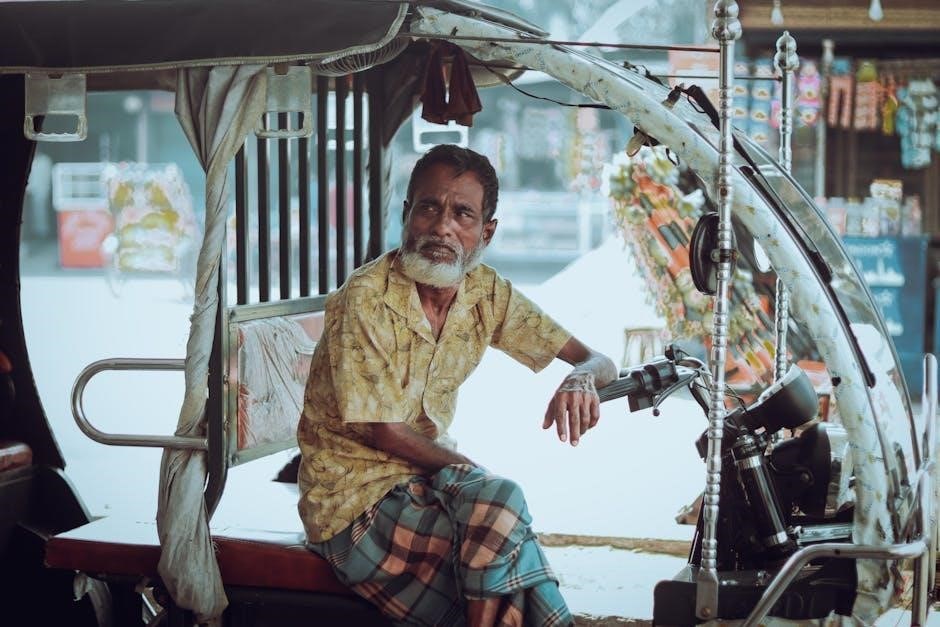
Implementation involves expanding internet infrastructure to rural areas, establishing community digital centers, and offering affordable data plans. The government is actively collaborating with private sector partners to accelerate digital connectivity and provide relevant digital services.
Crucially, the strategy emphasizes skills development programs to equip citizens with the necessary digital competencies. These programs target youth, women, and individuals in remote areas, fostering a digitally literate workforce.
Furthermore, the strategy prioritizes creating a secure and trustworthy digital environment, addressing concerns related to data privacy and cybersecurity. By fostering a holistic approach, Bangladesh aims to ensure that the benefits of digital transformation are shared equitably, driving inclusive growth and sustainable development.
XVIII. Case Study: Bangladesh as a Model for Development
Bangladesh presents a compelling case study in development, particularly regarding poverty reduction and sustainable progress. Historically facing significant challenges, the nation has demonstrated remarkable resilience and innovation in achieving socio-economic gains.
Its success stems from a combination of factors, including a strong focus on community-led initiatives, investments in human capital, and strategic utilization of technology. The country’s proactive approach to disaster preparedness and climate change adaptation also contributes to its developmental trajectory.
Notably, Bangladesh’s advancements in the ready-made garment industry have spurred economic growth and created employment opportunities. Simultaneously, microfinance initiatives have empowered marginalized communities, fostering financial inclusion and entrepreneurship.
The nation’s commitment to inclusive growth, coupled with its innovative solutions to address development challenges, positions it as a valuable model for other developing countries. Lessons learned from Bangladesh’s experience offer insights into effective strategies for achieving sustainable and equitable development in a rapidly changing world.
XIX. Lessons Learned in Poverty Reduction
Bangladesh’s journey in poverty reduction offers invaluable lessons for global development efforts. A key takeaway is the power of targeted interventions focused on empowering marginalized communities, particularly women. Microfinance, for instance, has proven instrumental in fostering entrepreneurship and financial independence at the grassroots level.
Investing in human capital – specifically, education and healthcare – has also been crucial. Improved access to these services enhances productivity and breaks the cycle of poverty. Furthermore, Bangladesh’s success highlights the importance of strong social safety nets to protect vulnerable populations during economic shocks.
Effective disaster preparedness and climate change adaptation strategies are equally vital, given the country’s susceptibility to natural disasters. Proactive measures minimize the impact of crises on impoverished communities.
Finally, Bangladesh demonstrates that sustained political commitment and a long-term vision are essential for achieving significant and lasting reductions in poverty. These lessons underscore the need for holistic, inclusive, and resilient development approaches.
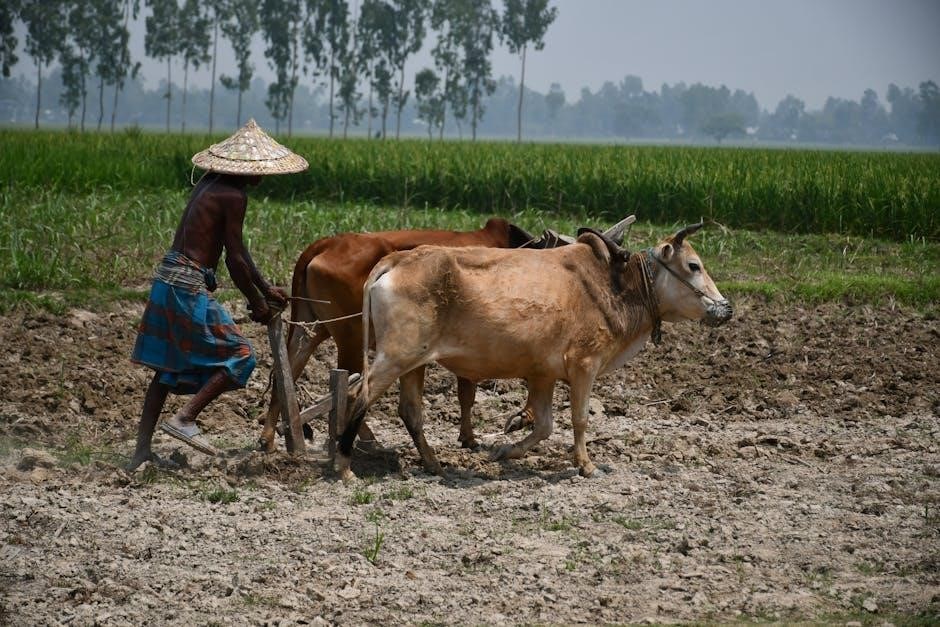
XX. Smart Bangladesh: Methods & Processes
Smart Bangladesh envisions a digitally advanced and knowledge-based society, achieved through a multi-faceted approach. Central to this is the widespread adoption of digital technologies across all sectors – education, healthcare, governance, and industry. This involves significant investment in digital infrastructure, including high-speed internet connectivity and data centers.
A key method is the integration of technology into the education system, creating a “Smart Education” framework designed for a “Smart World.” This includes digital learning materials, online platforms, and skills development programs focused on future technologies.
The processes involve fostering innovation through research and development, supporting startups, and promoting a culture of digital literacy. Government initiatives prioritize citizen engagement through e-governance platforms, enhancing transparency and accessibility of public services.
Furthermore, Smart Bangladesh emphasizes data-driven decision-making, utilizing analytics to improve policy formulation and resource allocation. Collaboration between public and private sectors is crucial for successful implementation and scaling of these initiatives;
XXI. Potential Applications in Other Countries
Bangladesh’s experience with rapid digital transformation and poverty reduction offers valuable lessons for other developing nations. The “Smart Bangladesh” model, particularly its focus on inclusive digital growth, can be adapted to contexts facing similar challenges.
Specifically, the emphasis on mobile money and financial inclusion provides a blueprint for extending financial services to underserved populations in countries with limited traditional banking infrastructure. The successful integration of technology into education – creating a “Smart Education” system – is readily transferable, offering a pathway to improve learning outcomes and skills development.
The nation’s approach to e-governance, enhancing transparency and citizen engagement, can inspire similar initiatives in other regions. Furthermore, the data-driven decision-making processes employed in Bangladesh can be replicated to optimize resource allocation and policy effectiveness.
However, successful adaptation requires careful consideration of local contexts, including cultural nuances, infrastructure limitations, and regulatory frameworks. A phased implementation approach, coupled with strong local partnerships, is crucial for maximizing impact.
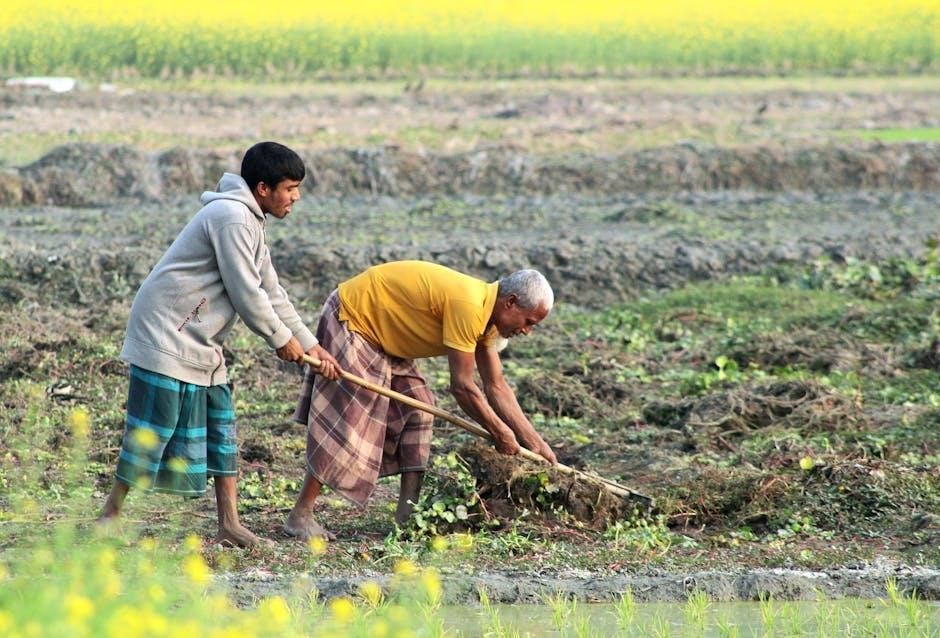
XXII. Conclusion: Future Outlook for Bangladesh
Bangladesh stands at a pivotal moment, poised to leverage its digital advancements and economic reforms for sustained growth. While challenges remain – particularly in the energy sector and maintaining economic momentum – the nation’s commitment to innovation and inclusivity offers a promising outlook.
The “Smart Bangladesh” vision, with its emphasis on a digitally empowered citizenry and a knowledge-based economy, is central to this future. Continued investment in education, infrastructure, and technology will be crucial for realizing this ambition. Addressing poverty through targeted strategies and sustainable development initiatives remains a priority.
Successfully navigating the economic transition requires a collaborative effort between the government, private sector, and civil society. Strengthening regional connectivity and attracting foreign investment will further accelerate growth. The nation’s demonstrated resilience and adaptability position it well to overcome obstacles.
Ultimately, Bangladesh’s journey serves as an inspiring example of how strategic planning, technological adoption, and a focus on human development can unlock significant economic and social progress.